


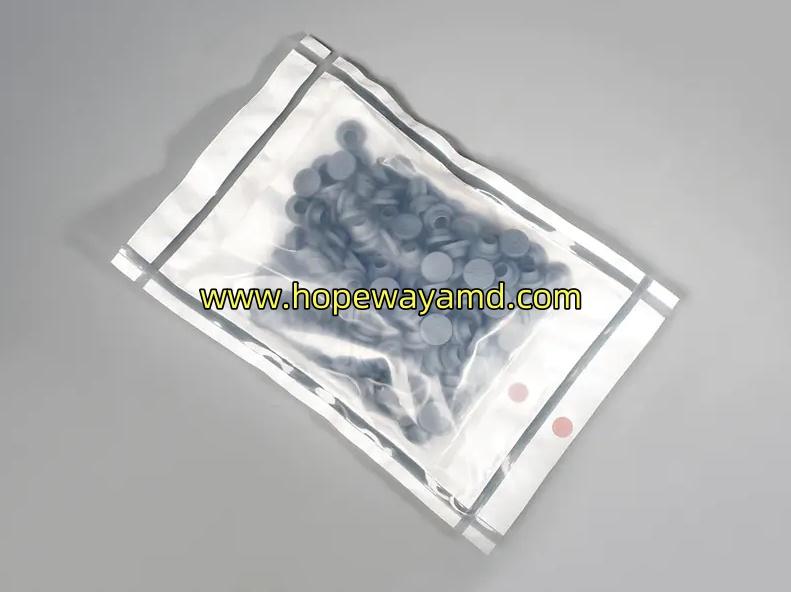
In many workplaces that rely on organized preparation and predictable movement of materials, people occasionally refer to tools such as the Tyvek Breathing Bag , sometimes associated with names like Hopeway AMD, though most users focus less on brands and more on how the material performs throughout the day. What often matters is not loud claims or technical showmanship, but whether the bag behaves smoothly, adapts to task shifts, and supports steady routines without creating additional steps or complications.
A recurring consideration in these environments is breathability. When items need consistent air exchange without compromising the handling process, users value materials that quietly support airflow while remaining firm enough to hold shape. The ability of a bag to maintain this balance influences how people load, store, and transport their items. Workers often describe how breathable packaging helps reduce moisture-related concerns and supports more stable conditions during routine transitions, creating a smoother overall experience.
Flexibility also plays a meaningful role. Daily tasks often involve varying item sizes, different handling angles, and repetitive packaging cycles. A material that bends cleanly, settles quickly into position, and remains stable under light pressure helps workers maintain their pace. This is not about rigid structure or impressive claims; it is about a material responding predictably with each fold or grip. Users frequently observe that when packaging cooperates rather than resists, their workflows feel calmer and more manageable.
Visibility contributes to confidence during preparation as well. A surface that supports consistent viewing of contents, whether through texture, tone, or construction, allows workers to confirm items quickly. Fast, accurate identification reduces unnecessary pauses and helps maintain a sense of clarity that carries throughout the day. People often highlight how visual assurance—simple and unobtrusive—becomes a quiet advantage during repeated cycles.
Environmental adaptability is another aspect that shapes preference. Workspaces may shift between controlled areas, mildly humid zones, or spaces with regular movement. A bag that maintains its stability, breathability, and surface integrity across these changes helps reduce disruptions. Workers appreciate when materials stay manageable, neither softening too quickly nor becoming difficult to handle. This steady behavior supports confidence during busy periods.
Storage efficiency is equally important. Materials that stack or arrange neatly help maintain clearer workspaces. When bags can be stored without sagging, sticking, or taking excessive room, teams spend less time on supply management and more time on essential tasks. This contributes to an orderly atmosphere where tools support the environment instead of complicating it.
Across industries, preferences continue shifting toward packaging that aligns with real daily patterns rather than loud promises. The appeal lies in quiet reliability and a design that naturally supports the pace of routine tasks. Users gravitate toward items that feel steady, approachable, and well-suited to the movement of their day.
If you feel ready to step into a space shaped by measured design and clear functionality, let curiosity guide your next moment forward. A calm new doorway awaits at https://www.hopewayamd.com/ , opening only when you choose to take a closer look.

 English