


🌍 A Human-Centered Perspective on Emergency Food Market Growth
The global Emergency Food Market is undergoing a transformative shift, driven by rising awareness of food security, climate-related disruptions, and evolving consumer preferences. From ready-to-eat meals to protein fruit bars, dry cereals, peanut butter, dried fruit, canned juice, non-perishable pasteurized milk, and infant food, the industry is expanding across diverse product categories to meet urgent nutritional needs.
This press release highlights the latest market trends, regional insights, and forecasts to 2031, while keeping the human dimension at the forefront—emphasizing resilience, accessibility, and innovation in emergency food solutions.
🔑 Key Market Highlights (Forecast to 2031)
-
Market Size & Share
-
The emergency food sector is expected to witness steady expansion, supported by government initiatives, disaster preparedness programs, and consumer demand for long-shelf-life products.
-
North America continues to dominate due to strong disaster relief frameworks, while Asia Pacific shows rapid adoption fueled by urbanization and climate challenges.
-
-
Trends
-
Growing preference for nutrient-rich, plant-based emergency foods.
-
Integration of digital supply chain technologies to ensure faster distribution during crises.
-
Rising demand for sustainable packaging and eco-friendly production methods.
-
-
Analysis
-
Ready-to-eat meals and protein bars remain the most popular categories, offering convenience and balanced nutrition.
-
Infant food and pasteurized milk are gaining traction as families prioritize child nutrition during emergencies.
-
Dry cereals and peanut butter continue to be staples due to affordability and long shelf life.
-
-
Forecast
-
By 2031, the emergency food market will evolve into a resilient, consumer-driven ecosystem, balancing innovation with accessibility.
-
Regional diversification will strengthen supply chains, reducing dependency on single-source markets.
-
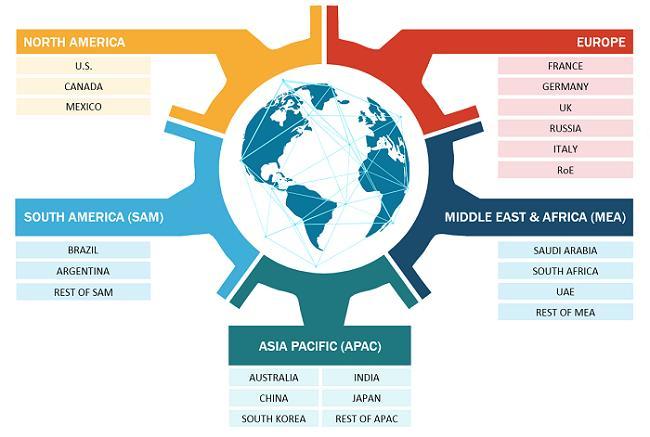
🌐 Global and Regional Analysis
-
North America: Strong government support, disaster preparedness programs, and consumer awareness drive growth. Ready-to-eat meals and protein bars dominate the market.
-
Europe: Sustainability and eco-friendly packaging are key drivers. Consumers prefer dried fruit and cereals aligned with health-conscious lifestyles.
-
Asia Pacific: Rapid urbanization and climate-related risks fuel demand. Infant food and pasteurized milk are gaining prominence.
-
South & Central America: Increasing focus on affordable, shelf-stable foods like peanut butter and canned juice to combat food insecurity.
📰 Updated Market News
-
Digitalization of Supply Chains: Companies are adopting AI-driven logistics to ensure timely delivery of emergency food during crises.
-
Gen Z Influence: Younger consumers are shaping demand by prioritizing sustainable, plant-based emergency food options.
-
Government Initiatives: Disaster relief programs across Asia Pacific and Latin America are boosting demand for infant food and pasteurized milk.

 English