


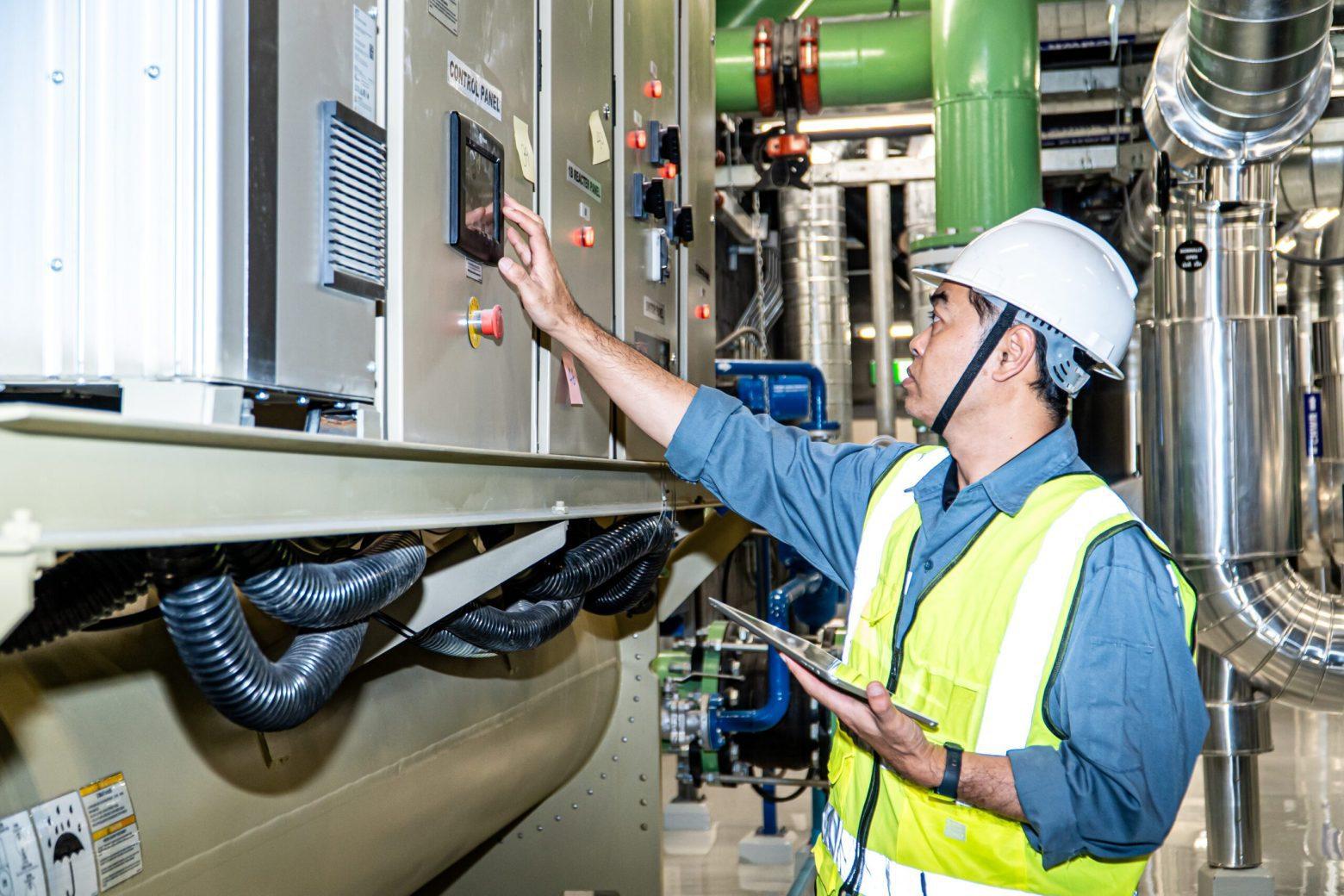
Dubai’s construction industry is known for its scale, speed, and complexity. From high rise towers and luxury hotels to large residential communities and industrial facilities, projects in the city demand high levels of coordination and technical expertise. One of the key professionals responsible for ensuring that these projects function smoothly from start to finish is the MEP engineer. The involvement of an MEP engineer does not begin on site and end with installation. Instead, it spans the entire project lifecycle, from early design stages to final handover and operation.
In Dubai, where buildings must perform reliably in a challenging climate and comply with strict regulations, the role of the MEP engineer is especially critical. This blog explores how MEP engineers contribute at every stage of a project and why their continuous involvement is essential for successful project delivery.
Early stage involvement and concept design
The work of an MEP engineer ideally begins at the concept design stage. At this early phase, the overall vision of the project is being defined, including building form, layout, and functional requirements. Early MEP input helps ensure that mechanical, electrical, and plumbing systems can be integrated efficiently into the design.
In Dubai, climate conditions strongly influence MEP decisions. High temperatures and humidity levels require careful planning of cooling and ventilation systems. An MEP engineer evaluates potential system options, plant room requirements, and space needs to support comfortable and energy efficient environments.
Early involvement also allows the MEP engineer to advise on sustainability strategies, energy efficiency targets, and compliance with local regulations. By contributing at this stage, MEP engineers help prevent design decisions that could cause technical or operational challenges later.
Schematic design and system selection
As the project moves into schematic design, the role of the MEP engineer becomes more detailed. System concepts are developed into preliminary layouts and design strategies. This includes selecting suitable HVAC systems, electrical distribution approaches, lighting concepts, and plumbing configurations.
In Dubai, the selection of MEP systems must consider not only performance but also long term operating costs and maintenance. District cooling connections, energy efficient chillers, and smart control systems are often evaluated during this stage.
The MEP engineer works closely with architects and structural engineers to coordinate system layouts. This collaboration ensures that service routes, equipment locations, and access requirements are aligned with the building’s architectural and structural framework.
Design development and coordination
During the design development phase, MEP engineers refine their designs and produce detailed layouts. This stage involves precise routing of ducts, pipes, cable trays, and other services. Coordination becomes increasingly important as designs from different disciplines overlap.
For Dubai projects, which often feature complex designs and high service density, coordination challenges are common. MEP engineers play a key role in resolving these challenges by working collaboratively with other consultants.
Digital design tools support this process by allowing MEP engineers to visualize systems in three dimensions. This helps identify potential clashes and ensures that all services can be installed as intended.
Firms like bin connect support this coordinated approach by providing professional MEP engineering and coordination services that align with project requirements and timelines.
Authority approvals and regulatory compliance
Regulatory compliance is a critical aspect of construction in Dubai. MEP engineers are responsible for ensuring that designs meet the requirements of authorities such as Dubai Municipality and Civil Defense.
This involves preparing detailed drawings, calculations, and documentation for approval. Firefighting systems, smoke management, emergency lighting, and backup power systems must comply with strict safety standards.
MEP engineers also ensure that plumbing and water systems meet hygiene and efficiency requirements. Their involvement during this stage helps avoid delays caused by non compliance or incomplete submissions.
Tender documentation and contractor coordination
Once designs are approved, MEP engineers contribute to the preparation of tender documents. These documents define the scope, specifications, and performance requirements for MEP systems.
Clear and detailed tender documentation is essential for obtaining accurate contractor pricing and avoiding disputes later. In Dubai’s competitive construction market, this clarity helps clients select qualified contractors and manage costs effectively.
MEP engineers may also support the tender evaluation process by reviewing technical submissions and ensuring that proposed solutions meet design intent.
Construction phase involvement
The construction phase is where the importance of continuous MEP engineer involvement becomes most apparent. During this stage, MEP engineers provide technical support to contractors, review shop drawings, and respond to site queries.
In Dubai, construction schedules are often aggressive, and site conditions can be challenging. MEP engineers must work closely with site teams to resolve issues quickly and maintain progress.
Regular site inspections allow MEP engineers to verify that installations comply with approved designs and standards. Their presence helps maintain quality and ensures that systems are installed safely and correctly.
Coordination during installation
MEP installations involve multiple trades working in confined spaces. Effective coordination is essential to avoid conflicts and delays. MEP engineers play a central role in managing this coordination.
By reviewing installation sequences and coordinating with structural and architectural teams, MEP engineers help ensure smooth progress. This is particularly important in high rise buildings and complex facilities common in Dubai.
Professional service providers like bin connect contribute to this process by supporting coordination and communication across project teams.
Testing, commissioning, and system verification
As construction nears completion, MEP engineers become heavily involved in testing and commissioning activities. This stage ensures that all systems operate as intended and meet performance requirements.
HVAC systems are tested for capacity and efficiency, electrical systems are verified for safety and reliability, and plumbing systems are checked for leaks and proper operation. Firefighting and life safety systems undergo rigorous testing to meet authority requirements.
In Dubai, successful commissioning is essential for obtaining final approvals and occupancy permits. MEP engineers coordinate with contractors, suppliers, and authorities to complete this process efficiently.
Handover and documentation
Project completion does not mark the end of the MEP engineer’s role. During handover, MEP engineers ensure that all necessary documentation is provided to the client. This includes as built drawings, operation manuals, and maintenance information.
Accurate documentation is critical for facility management and long term operation. MEP engineers also support training sessions for building operators, helping them understand system operation and maintenance requirements.
This knowledge transfer ensures that buildings perform effectively throughout their lifecycle.
Post completion support and long term value
In some cases, MEP engineers continue to support projects after completion by addressing operational issues or supporting system optimization. This ongoing involvement helps protect the client’s investment and improve building performance.
For Dubai’s long term developments, the quality of MEP design and installation has a direct impact on operating costs and occupant satisfaction. MEP engineers contribute to this long term value by ensuring systems are efficient, reliable, and maintainable.
The importance of experienced MEP engineers in Dubai
Dubai’s construction environment demands high levels of technical expertise and adaptability. MEP engineers working in the city must understand local regulations, climate conditions, and construction practices.
Experienced professionals and firms like bin connect bring valuable knowledge and coordination skills that support successful project delivery. Their involvement from design to project completion helps manage complexity and reduce risks.
Conclusion
MEP engineer involvement from design to project completion is essential for the success of modern construction projects in Dubai. From early concept planning and system design to construction support, commissioning, and handover, MEP engineers play a continuous and critical role.
Their expertise ensures that buildings are comfortable, safe, efficient, and compliant with local standards. In a city known for ambitious and complex developments, the contribution of skilled MEP engineers cannot be overstated.

 Chinese