


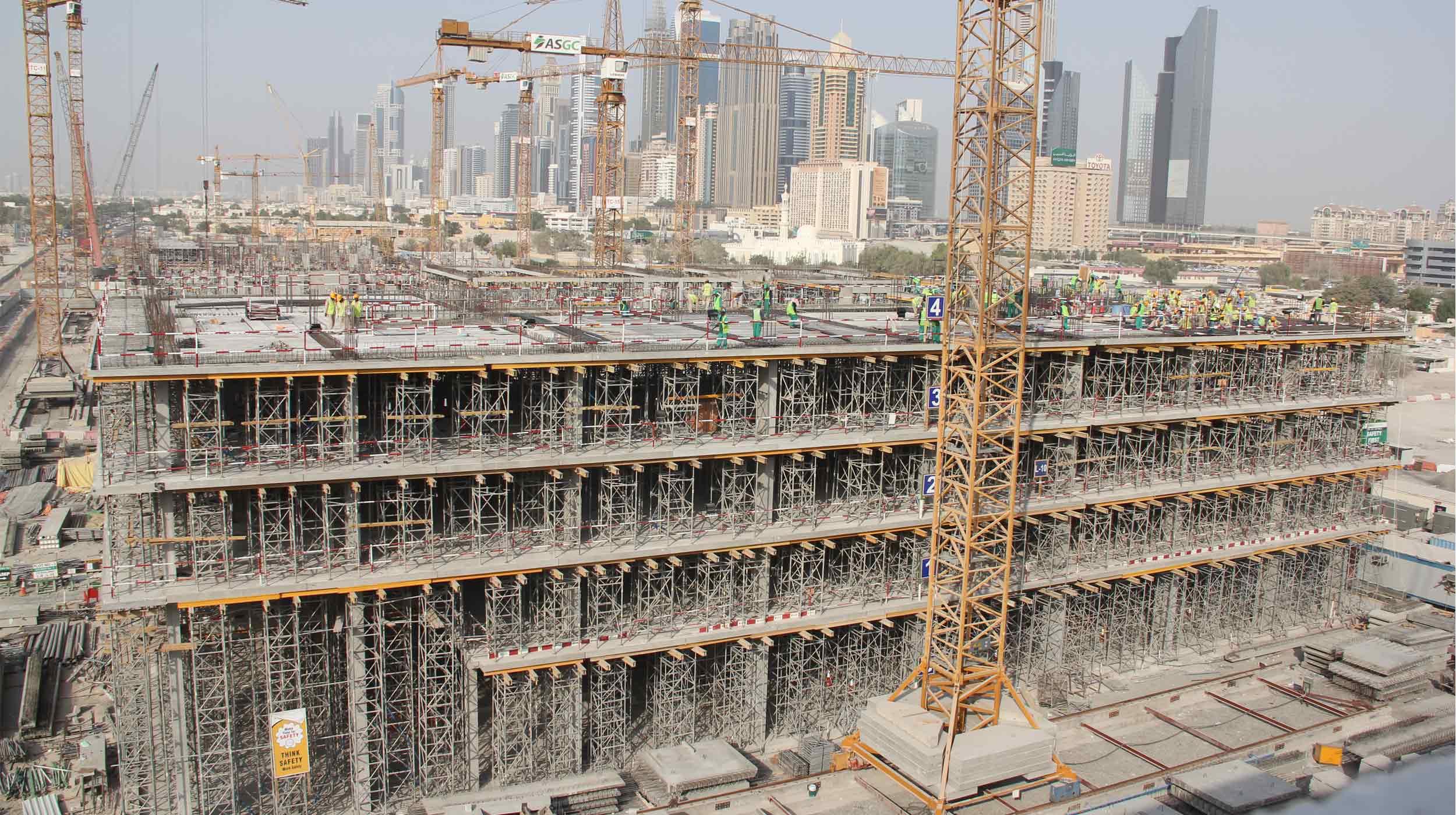
Dubai has always positioned itself as a city of the future. Over the past few decades, it has transformed from a regional trading hub into a global center for business, tourism, and innovation. Today, new construction projects in Dubai are not only about impressive architecture and scale, but also about intelligence, efficiency, and sustainability. At the heart of this transformation is the rise of smart buildings, which are redefining how structures are designed, built, and operated across the city.
For Dubai’s residents, investors, developers, and construction professionals, smart buildings are no longer a luxury concept. They are becoming a standard expectation in new construction projects. This shift reflects the city’s long term vision to create a connected, sustainable, and technologically advanced urban environment.
Understanding smart buildings in the Dubai context
Smart buildings use integrated digital systems to monitor, control, and optimize building performance. These systems can manage lighting, air conditioning, energy consumption, security, water usage, and even occupancy patterns. The goal is to improve comfort, reduce operating costs, and enhance sustainability.
In Dubai, smart buildings are closely linked to the broader smart city initiative. Government strategies encourage the adoption of digital technologies that improve efficiency and quality of life. As a result, many new construction projects in Dubai now include smart features as part of their core design, rather than as optional upgrades.
Why new construction projects are leading the smart building movement
While older buildings can be upgraded with smart technologies, new construction projects offer the best opportunity to fully integrate intelligent systems. Designing smart functionality from the early stages allows for better coordination between architecture, structure, and building services.
In Dubai, where many projects are developed on a large scale, integrating smart systems during construction ensures smoother operation once the building is occupied. Developers are increasingly aware that smart buildings are more attractive to tenants and investors due to lower running costs and improved user experience.
New construction projects also benefit from the latest technologies, which evolve rapidly. By incorporating advanced systems during design and construction, buildings are better prepared for future demands.
Smart residential developments shaping modern living
Residential projects are a major driver of smart building adoption in Dubai. New apartment towers, villas, and master planned communities are designed to offer residents convenience, safety, and energy efficiency through smart technologies.
Features such as automated lighting and climate control, smart access systems, energy monitoring, and mobile app integration are becoming common. These systems allow residents to manage their homes more efficiently and comfortably.
For families and individuals in Dubai, smart homes provide practical benefits in a climate where energy consumption is high. Intelligent cooling systems and efficient lighting help reduce utility costs while maintaining comfort.
Commercial projects embracing intelligent workplaces
New construction projects in Dubai’s commercial sector are also embracing smart building concepts. Office towers and business parks are being designed to support productivity, flexibility, and operational efficiency.
Smart systems in commercial buildings can adjust lighting and cooling based on occupancy, improving comfort and reducing energy waste. Advanced security and access control systems enhance safety, while digital building management platforms provide real time insights into performance.
For businesses operating in Dubai, smart buildings offer long term cost savings and support modern working practices. These advantages make smart commercial spaces highly desirable in a competitive market.
Hospitality and smart guest experiences
Dubai’s hospitality sector is known for innovation and luxury. New construction projects in hotels and resorts increasingly incorporate smart building technologies to enhance guest experiences.
Smart room controls, personalized climate settings, digital concierge services, and energy efficient systems are becoming standard in many new developments. These technologies not only improve guest satisfaction but also help operators manage resources more effectively.
As tourism continues to be a key economic driver, smart hospitality projects support Dubai’s reputation as a forward thinking global destination.
Infrastructure and mixed use developments
Large mixed use developments are another area where smart buildings are gaining traction. These projects combine residential, commercial, retail, and leisure spaces within a single development. Managing such complexity requires intelligent systems that can coordinate different functions.
Smart infrastructure allows for efficient energy distribution, centralized monitoring, and improved security across large developments. In Dubai, many new construction projects are designed as self contained communities, making smart systems essential for smooth operation.
Sustainability and energy efficiency goals
Sustainability is a major reason behind the rise of smart buildings in Dubai. The city faces environmental challenges related to energy consumption and resource management. Smart technologies help address these issues by optimizing building performance.
Energy efficient cooling systems, smart lighting, water management technologies, and real time monitoring reduce waste and lower environmental impact. New construction projects that integrate these systems contribute to Dubai’s sustainability objectives and long term resilience.
For developers, sustainable smart buildings also offer financial benefits through reduced operating costs and increased asset value.
The role of technology and data in smart buildings
Data is a key component of smart buildings. Sensors and digital systems collect information about temperature, energy use, occupancy, and system performance. This data allows building managers to make informed decisions and improve efficiency.
In new construction projects in Dubai, digital infrastructure is designed to support advanced data analysis and integration with city wide systems. This connectivity aligns with Dubai’s vision of a fully integrated smart city.
Over time, data driven insights help optimize building operations and support predictive maintenance, reducing downtime and extending system life.
Professional expertise supporting smart construction
Delivering smart buildings requires specialized expertise and coordination. Architects, engineers, technology providers, and contractors must work together closely. Planning smart systems from the early stages of design is essential for success.
Professional firms such as bin ally play an important role in supporting this process by contributing technical knowledge and coordination expertise. Their involvement helps ensure that smart technologies are integrated effectively within new construction projects.
As smart buildings become more complex, the value of experienced consultants and service providers continues to grow.
Challenges in implementing smart buildings
Despite the benefits, implementing smart buildings in new construction projects comes with challenges. Initial costs can be higher, and systems require careful planning and integration. There is also a need for skilled personnel to manage and maintain these technologies.
In Dubai, developers and operators are addressing these challenges by focusing on long term value rather than short term costs. The operational savings and enhanced user experience offered by smart buildings often outweigh the initial investment.
Education and training are also improving, ensuring that building operators can effectively manage smart systems.
The future of smart buildings in Dubai
The future of new construction projects in Dubai is closely tied to the continued rise of smart buildings. As technology advances, buildings will become even more responsive, efficient, and connected.
Artificial intelligence, advanced automation, and deeper integration with city infrastructure are likely to shape the next generation of smart buildings. These developments will support Dubai’s ambition to remain a global leader in innovation and urban development.
For residents and businesses, this means better living and working environments. For investors and developers, it means stronger long term value and competitiveness.
Conclusion
New construction projects in Dubai are playing a central role in the rise of smart buildings. By integrating intelligent systems into design and construction, these projects are shaping a city that is efficient, sustainable, and future ready.
Smart buildings enhance comfort, reduce costs, and support environmental goals, making them a natural fit for Dubai’s forward looking vision. Supported by professional expertise from firms like bin ally, the adoption of smart technologies continues to accelerate across residential, commercial, hospitality, and mixed use developments.

 Chinese