


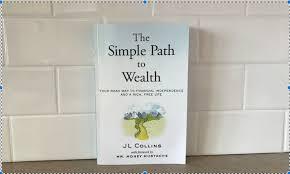
Money affects freedom more than most people realize. It decides where you live, how you work, and how you spend your time. Yet many people feel trapped by money stress. They earn income but lack peace. They work hard but feel uncertain about the future. This happens because money is managed without clarity or direction. The simple path to wealth offers a better way. It focuses on clear habits, smart choices, and long-term thinking. This path leads to financial independence and a rich, free life.
This blog explains that path in simple steps.
What Does a Rich and Free Life Really Mean?
A rich life is not only about having money. It is about having choices. Financial freedom means you can decide how to live without constant money pressure. You can choose work you enjoy. You can take breaks without fear. You can handle emergencies calmly.
A free life includes:
-
Control over your time
-
Reduced money stress
-
Confidence in your future
-
Freedom from unnecessary debt
-
The ability to plan long term
Wealth supports freedom when it is built the right way.
Why the Simple Path to Wealth Works
Many people believe wealth is complex. They think it requires advanced strategies or constant risk. That belief creates fear and confusion. The simple path to wealth removes complexity. It focuses on discipline, clarity, and consistency.
This approach works because:
-
Simple habits are easier to follow
-
Clear plans reduce mistakes
-
Long-term thinking avoids stress
-
Automation removes effort
-
Consistency builds real results
Wealth grows slowly, not suddenly. Simplicity keeps you moving forward.
Step 1: Build Financial Clarity First
Every wealth journey begins with clarity. You must know where you stand today.
Financial clarity means understanding:
-
Your total income
-
Your monthly expenses
-
Your debts and interest rates
-
Your savings and investments
Without clarity, decisions become guesses. With clarity, decisions become confident actions. Track your money honestly. Look at your numbers regularly. Clarity gives you control and peace.
Step 2: Spend Less Than You Earn
This rule is simple but powerful. Wealth grows only when spending stays below income. Many people earn well but save nothing. That is not a wealth problem. It is a spending problem.
To fix this:
-
Track expenses
-
Cut unnecessary costs
-
Avoid lifestyle inflation
-
Focus on value, not impulse
Spending less does not mean living poorly. It means spending with purpose. Purposeful spending builds freedom.
Step 3: Avoid High-Interest Debt
Debt blocks financial independence. High-interest debt is especially dangerous. Credit cards and personal loans slow wealth growth. They steal future income.
The simple path to wealth requires:
-
Avoiding new high-interest debt
-
Paying off existing balances
-
Using debt only when strategic
-
Understanding interest costs
Clear debt creates space for saving and investing. Less debt means more freedom.
Step 4: Build an Emergency Fund
Life brings surprises. Emergencies destroy plans without preparation. An emergency fund protects your progress.
A strong emergency fund should cover:
-
Three to six months of expenses
-
Job loss
-
Medical issues
-
Unexpected repairs
This fund keeps you from using debt during hard times. It creates confidence and stability. Wealth grows best on a stable foundation.
Step 5: Save Consistently
Saving is the bridge between income and wealth. It does not require large amounts. It requires consistency.
Start with small goals:
-
Save a fixed percentage
-
Increase savings gradually
-
Automate transfers
-
Treat savings like a bill
Consistency matters more than speed. Small steps repeated over time create powerful results.
Step 6: Invest for the Long Term
Saving alone is not enough. Investing helps money grow. The simple path to wealth favors long-term investing over quick gains.
Smart investing focuses on:
-
Low-cost options
-
Long-term growth
-
Diversification
-
Patience
Avoid chasing trends. Avoid emotional decisions. Time in the market matters more than timing the market. Long-term investing builds real wealth.
Step 7: Automate Your Financial System
Automation makes wealth easier. It removes emotion and effort. Automated systems keep you consistent even when life gets busy.
Automate:
-
Savings transfers
-
Investment contributions
-
Bill payments
-
Expense tracking
Automation protects discipline. It ensures progress without constant attention. Simplicity increases success.
Step 8: Increase Income Without Burnout
Income growth supports faster progress. However, it should not destroy balance. Smart income growth focuses on skills and opportunities.
Ways to increase income include:
-
Learning new skills
-
Negotiating pay
-
Freelance work
-
Side projects
-
Business growth
Extra income should support freedom, not exhaustion. Balance matters on the simple path to wealth.
Step 9: Avoid Lifestyle Inflation
Lifestyle inflation is a hidden enemy. As income rises, spending rises too. This keeps people stuck despite earning more.
To avoid this:
-
Increase savings with income
-
Upgrade slowly and intentionally
-
Focus on long-term goals
-
Value freedom over status
Freedom feels better than luxury. Keeping expenses controlled accelerates independence.
Step 10: Measure Progress Regularly
Tracking progress keeps you motivated. It also reveals problems early.
Review your finances:
-
Monthly for budgeting
-
Quarterly for goals
-
Yearly for long-term plans
Check net worth, savings rate, and debt reduction. Progress builds confidence and focus.
What Financial Independence Looks Like
Financial independence means your investments and savings support your lifestyle. Work becomes optional, not required. You choose how to spend your time.
Independence does not require extreme wealth. It requires:
-
Low expenses
-
Strong savings
-
Consistent investing
-
Clear goals
The simple path makes independence achievable for many people.
A Rich Life Beyond Money
True wealth includes peace, health, and time. Money supports these values when used wisely.
A rich life includes:
-
Time with loved ones
-
Freedom from constant stress
-
Purposeful work
-
Confidence in the future
Money becomes a tool, not a burden. Simplicity protects what matters most.
Common Mistakes to Avoid
Many people delay wealth by repeating simple mistakes.
Avoid:
-
Chasing fast money
-
Ignoring budgets
-
Carrying unnecessary debt
-
Skipping emergency funds
-
Making emotional decisions
Staying simple avoids these traps.
Why Simplicity Beats Complexity
Complex plans fail under pressure. Simple systems survive change. The simple path to wealth works because it fits real life.
Simple rules are easier to follow. They reduce stress and increase consistency. Over time, simplicity wins.
Final Thoughts
The simple path to wealth is not about shortcuts. It is about clarity, discipline, and patience. It helps you build financial independence without sacrificing peace. By spending less than you earn, avoiding debt, saving consistently, and investing long term, you create freedom. Automation and simplicity make the journey sustainable.
Wealth built this way supports a rich, free life. One filled with choices, confidence, and calm.

 English