


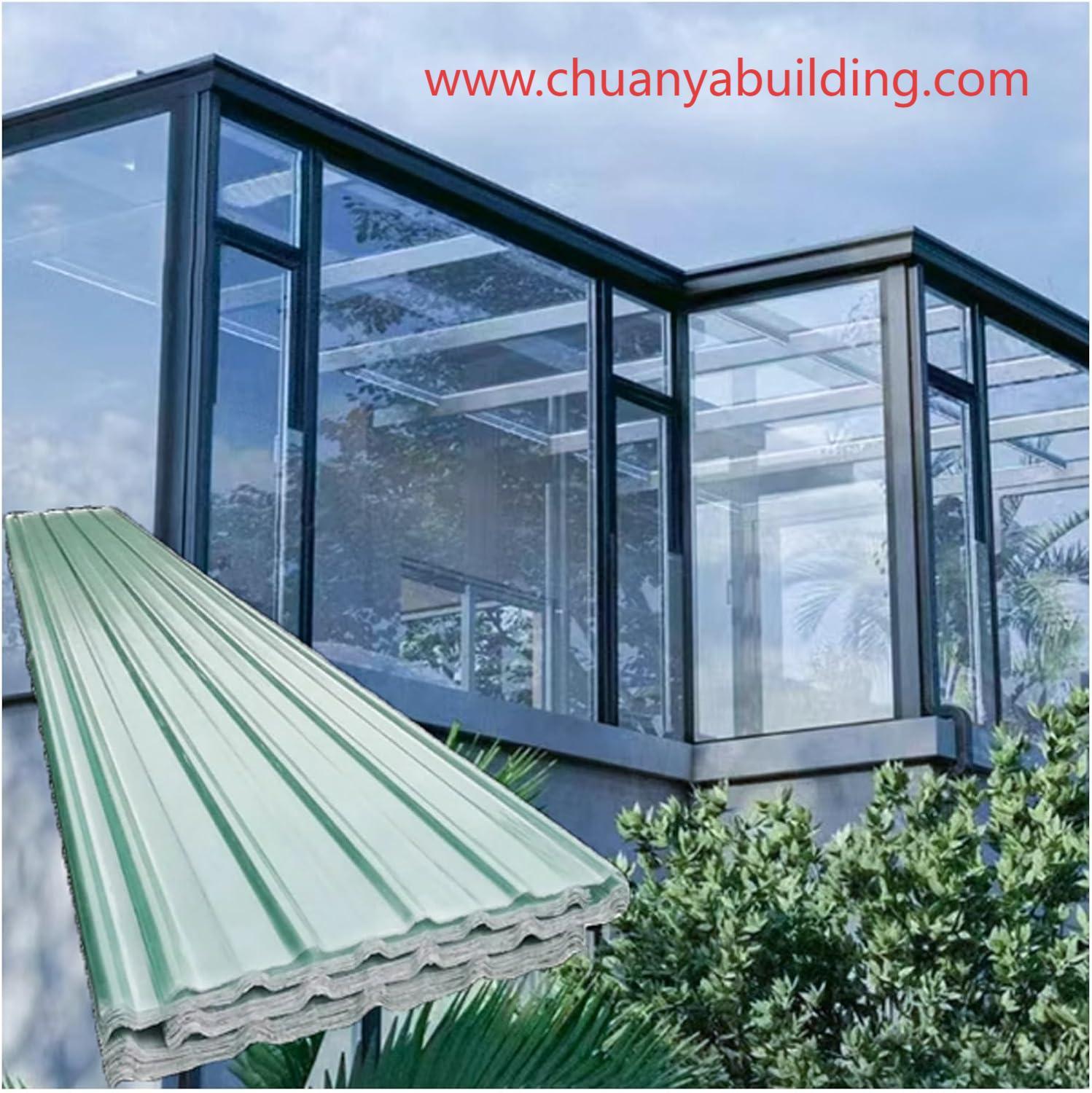
In recent years, architectural spaces have shifted toward structures capable of capturing natural radiance while sustaining long service cycles, and discussions surrounding Chinese Frp Daylighting Panels have become a frequent topic across design forums as architects search for new materials that reshape illumination concepts for expansive facilities, which is why chuanyabuilding has drawn wide attention among planners exploring advanced daylighting solutions that merge durability, style, and environmental purpose, and how should creators redefine the relationship between sunlight and industrial design when options continue to evolve?
Industrial architects today often consider how light interacts with form, and they increasingly evaluate materials through both functional and artistic perspectives, prompting conversations about translucent roofing elements that support creative building envelopes which maintain structural strength while forming a harmonious atmosphere across workshops, halls, and warehouses with minimal limitations imposed on the surrounding environment. As urban spaces diversify, manufacturers widely explore elements that allow smoother light dispersion across wide spans without sacrificing privacy, safety, or thermal stability, providing architects channels to rethink the classical boundaries of illumination.
Many regions focusing on modern development have increased demand for building components that withstand moisture, wind, and temperature shifts, resulting in an ongoing shift toward composite materials that sustain long-term stability without imposing heavy maintenance duties on facility operators. As structural expectations rise, designers have become more attentive to textures, translucency patterns, and panel shapes capable of transforming dull spaces into visually expressive scenes, allowing ordinary buildings to adopt artistic silhouettes under varying daylight angles while maintaining function as the core foundation.
Growing interest in clean manufacturing and refined facility planning has encouraged companies to search for solutions that reduce artificial lighting dependence during daytime operations, and several expanding industries have integrated translucent roof segments to strengthen energy-saving goals across distribution centers, machinery zones, and agricultural halls by allowing sunlight to become an active part of design strategy rather than an external factor separated from construction logic. These practices reflect new industrial aesthetics shaped by rising ecological awareness adopted by many building specialists.
Contemporary construction discussions also revolve around panel textures capable of filtering brightness without creating excessive glare, establishing a gentle atmosphere that supports extended work hours under naturally lit conditions, where workers feel connected to the surrounding sky while staying protected from heat or UV exposure. By shaping roofs that transform passing clouds into soft shadow patterns, designers create environments that feel calm even in large-scale spaces and promote spatial comfort for long periods of activity.
Durability has also emerged as a widely discussed element, as industries depend on stable materials that resist warping, corrosion, or breakage throughout long operational cycles. Translucent composites attract attention because they maintain their appearance under continuous sunlight, wind pressure, and temperature variation, granting architects freedom to design roofs that remain visually appealing while supporting active facility routines, including logistics, production, and storage functions expected by growing enterprises.
Structural engineers often emphasize installation flexibility, noting how lightweight components allow faster arrangement across diverse frameworks without adding excess load to foundational structures. This quality supports expansion projects, temporary halls, or permanent units requiring rapid deployment across wide construction areas where efficiency plays an essential role in project planning and execution.
Discussions about creative industrial roofs increasingly highlight the need for materials capable of shaping modern skylines with elegant silhouettes visible from both interior and exterior perspectives, and as styling trends evolve, surface texture, color tone, and transparency levels influence how rooftops interact with sunlight throughout seasonal cycles, establishing dynamic visual effects that transform simple structures into expressive architectural features.
As interest in architectural materials continues to expand, designers, manufacturers, and contractors seek reliable partners capable of supporting project planning with consistent quality and wide product ranges that match the expectations of rapidly developing regions, and many professionals exploring daylighting solutions now evaluate resources through comprehensive perspectives that consider function, appearance, longevity, installation convenience, and environmental harmony, encouraging them to visit trusted suppliers offering detailed guidance and steady service such as https://www.chuanyabuilding.com/

 Chinese