


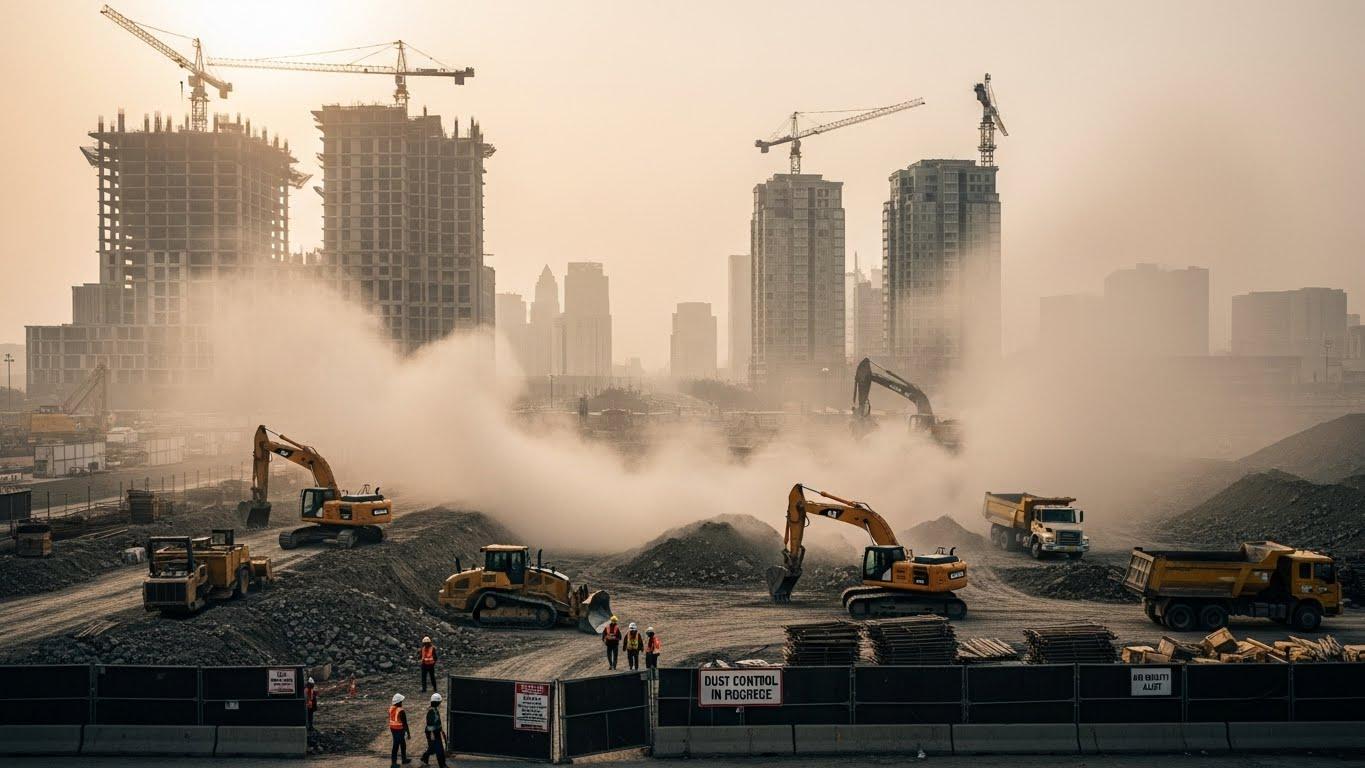
Have you ever passed in front of a construction site and noticed that dusty stuff is on your face? Or were you watching that your car is dirty every morning when building is going on? You are not dreaming, and the construction activities greatly impair the quality of air by discharging particulate matter, poisonous gases, and dangerous dusts which can travel several miles out of the construction site, contaminating whole neighborhoods and susceptible communities.
The point is that construction not only causes noise and traffic problems. In fact, it is one of the biggest emitters of urban air pollution, and it causes the release of harmful pollutants that remain in the atmosphere even after the bulldozers have been cleared. Whether it is demolition dust or diesel exhaust, these events introduce harmful elements to the air that we inhale daily.
However, knowledge of this effect is the beginning of dealing with this effect. You may be a homeowner who has plans of renovating your home, a developer handling massive construction projects, or just a person who cares about the health of his or her family. You should get to know what is actually going on in the air around the construction sites, and what can be done to stop it.
The True Perpetrators of Air Pollution: Construction
Let's break it down. Construction sites are, in fact, pollution factories in full view. Several processes occur simultaneously, which contribute their share of airborne horrors.
Particulate Matter (PM10 and PM2.5)
These microscopic particles are the heavyweights. Particles that are 10 micrometers or less are PM10, and those that are even smaller are PM2.5. In comparison to that, a human hair is approximately 70 micrometers. These particles come from:
-
Demolition and excavation works.
-
Operations in cutting, grinding, and drilling.
-
Mobile traffic on the unrated surface.
-
Material handling and storage.
-
Erosion of the exposed soil and piles of material by wind.
The PM2.5 that is of a smaller size is especially harmful since it penetrates deep into your lungs and even into your bloodstream.
Diesel Exhaust and Vehicle Emissions
The construction machinery operates primarily on diesel fuel. Constantly being emitted by excavators, bulldozers, generators, and heavy trucks are nitrogen oxides (NOx), carbon monoxide, sulfur dioxide, and volatile organic compounds (VOCs). When it comes to the environment, one heavy machine can cause a bunch of pollution that many dozens of passenger cars can create.
Volatile Organic Compounds (VOCs)
These toxins escape into the air in paints, solvents, adhesives, sealants, and coatings during construction. They combine with the sunlight and other pollution materials to create ground-level ozone, yes, the very same that gives smog alerts in big cities.
In the modern project, it is common to employ the use of accurate takeoff services that will determine the quantity of materials required with great precision, and this in turn can indirectly decrease waste quantities and the environmental impact of construction work, such as air pollution through the handling of excessive materials.
But Where Does the Construction Pollution Go?
This actually translates to the fact that residing miles away from a construction site is not going to save you. Investigations reveal that under normal circumstances, construction dust may travel up to 400-500 meters (a quarter mile) in length of the source. On windy days, the distance is extended dramatically.
The pollution is also not discriminatory. Schools, hospitals, residential quarters, they all have their quota. A study done in London revealed high PM10 levels of up to 400 meters downwind of large construction sites, and that the amount of PM10 occasionally surpassed health limits by 30-40 times.
Long- vs. Short- Term Health Effects
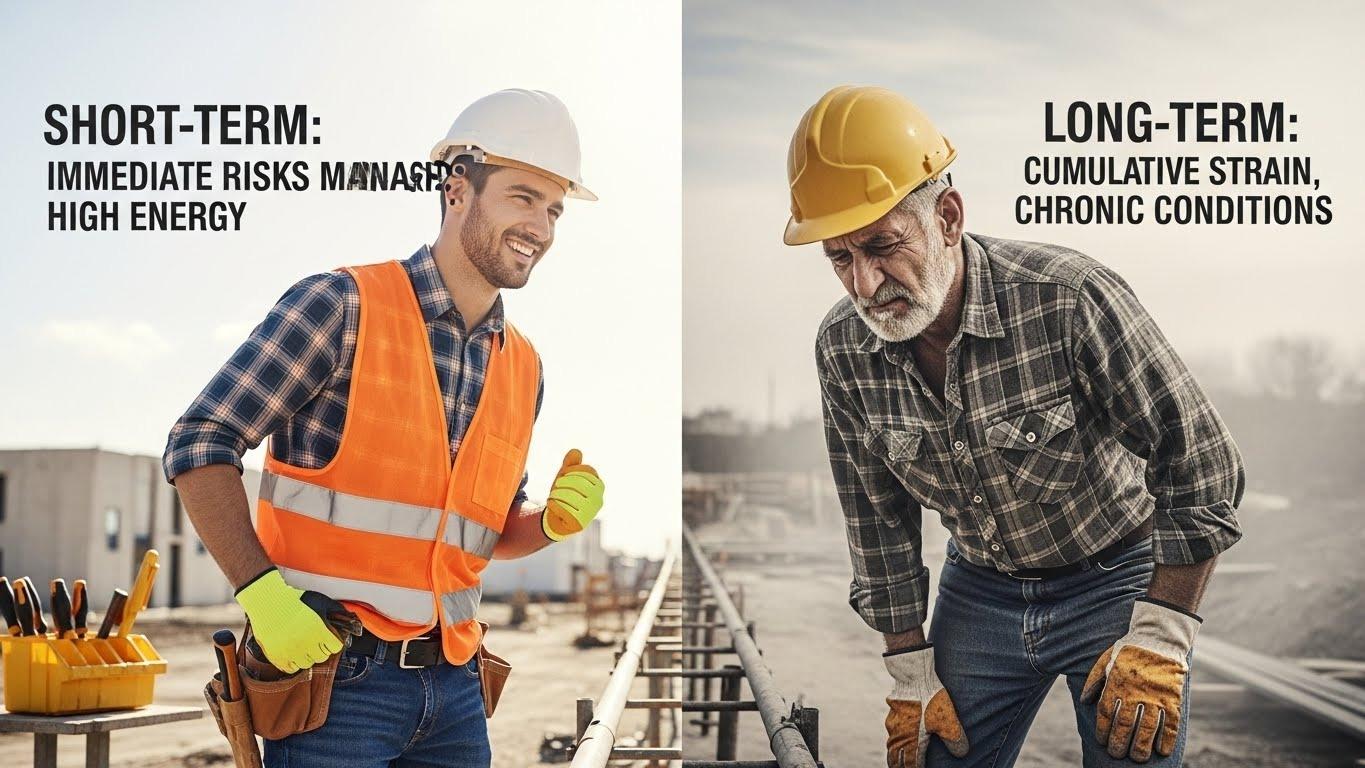
The health effects are not theoretical but real and in many cases, drastic.
Immediate Effects Include:
-
Irritation and coughing of the respiratory tract.
-
Discomfort in the eyes, nose, and throat.
-
Headaches and dizziness
-
exacerbation of asthma and allergies.
-
Reduced lung function
Exposure over the Long Term May:
-
Long-term respiratory diseases such as COPD.
-
Cardiovascular problems
-
Excessive cancer risk (especially caused by diesel particulates)
-
Childhood developmental problems.
-
Early mortality in population segments at risk.
The most at risk are children, seniors, and people with an underlying condition. There is evidence of a higher risk of low birth weight and developmental problems in babies where the pregnant women are exposed to high levels of construction pollution.
The Economic Hidden Costs No One Speaks of
Outside the health sector, building air pollution is fraught with economic penalties. Medical expenses skyrocket in the regions where construction activity is a long-lasting affair. The prices of property are usually depressed. Companies located close to the construction sites report loss of customers and turnover.
A study of the construction dust in Beijing was very thorough, and the research found that health impacts alone contributed to the economic losses of more than 1.2 billion a year. That is dollars out of both the state medical systems and personal funds.
Seasons and changes in weather vary
Construction pollution is never constant; it is erratic and depends on the circumstances.
Maximum dispersion and generation of dust:
Dry, Windy Conditions.
Weather Humid or Rainy:
Natural dust damping, less spreading of dust.
Summer Months:
Higher VOC emissions as a result of the temperature rise.
Winter:
Low dust concentration, however, increased diesel emissions from idling equipment.
Pollutants are also gathered by temperature inversions at or close to the ground level, forming hazardous pollution clouds around construction sites.
Workable Mitigation Plans that Really Work
Bad news, there are good solutions, and most of these are very simple:
For Construction Companies:
-
Dust suppressing water spraying systems (PM10 cut by up to 90 per cent.)
-
Washing stations at the exit sites are wheel-based.
-
Entrapment demolition with the help of barriers and covers.
-
Cleaner fuel substitutes and low-emission equipment.
-
Materials should be stored in covered places properly.
-
Planning of high-dust operations in low-wind periods.
For Urban Planners:
-
Location of sites strategically without having to be close to sensitive locations.
-
Green buffers around the construction fringes.
-
Compulsory air quality management and citizen reporting.
-
Construction pollution laws are well-imposed.
-
Multiple project coordination to reduce cumulative effects.
For Residents:
-
Shut windows when the construction is at its peak hours.
-
Indoor air purifiers with HEPA can be used.
-
Do not exercise outdoors in the areas of the building.
-
Check the indices of air quality in the area.
-
Communicate the presence of too much dust or infractions to the authorities.
The Technologies that are Reshaping the Game
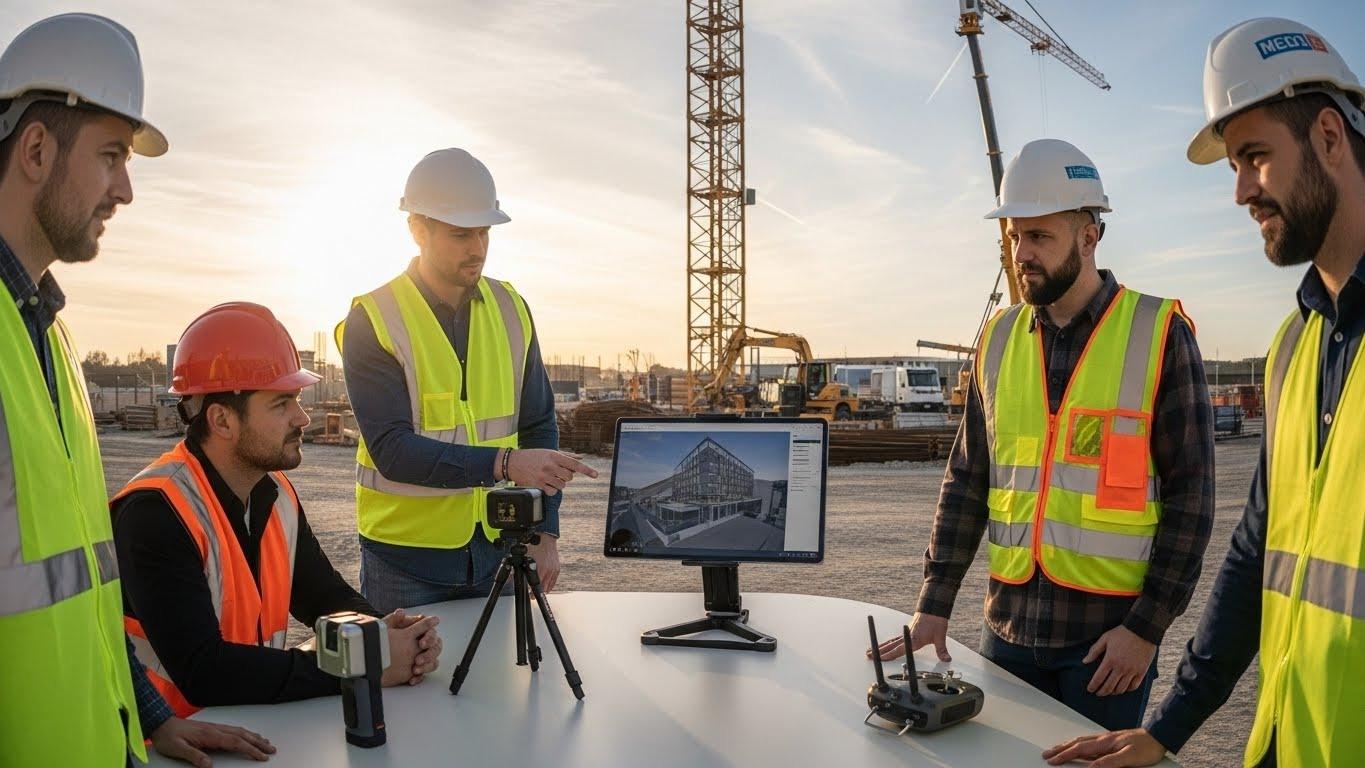
Construction is being transformed by innovation towards its environmental footprint. Construction machinery powered by electricity is becoming a feasible business solution, and on-site diesel emission is practically removed. Drones allow the accurate observation of dust concentrations and concentrations of pollution concentrations. The high-risk days of pollution are forecasted using advanced forecasting models, and preventative measures are implemented.
There is a current trend of using electrostatic dust collectors and misting equipment, in which 95 percent of the airborne substances are collected before they can diffuse by some forward-thinking companies. These technologies are more expensive in the short term, but would yield gigantic health and environmental returns.
Legal Systems and Regulation
Construction emissions are regulated in most developed countries, and the level of enforcement of the regulations differs radically.
The U.S. Environmental Protection Agency demands dust management plans on sites of more than one acre. The European Union Air Quality Directive comprises strictly set limits on PM10. Singapore and other countries impose high fines for noticeable dust emissions.
But third-world countries tend to have weak enforcement, which exposes communities to risks. Regulations are not well enforced, even in places where they are implemented.
The way forward: Sustainable Construction Practices
The construction business is at a crossroads. We can no longer afford to use the conventional approaches as long as we are concerned with the quality of the air and the health of people. Sustainable construction does not only mean that it is environmentally friendly, but it is also becoming economically viable.
Green buildings, such as the LEED, have included air quality provisions in their certification. Prefabrication saves on-site labor, which causes local pollution. The concepts of the circular economy restrict the waste and transport of materials. These solutions are effective; however, they need industry-wide implementation.
Conclusion
Buildings are the way our cities and our houses are built, and this should not be at the cost of the air we breathe. The air quality is not a myth; it is a measurable, real, and substantial effect that can be controlled through correct awareness, technology, and enforcement.
With the increase in community and infrastructure requirements, we cannot just stop building. Instead, we need to insist on cleaner operations, enforce stricter rules, and invest in technologies that safeguard the advancements and the health of the people. All the stakeholders, including developers, residents, etc, are involved in ensuring that our future does not affect the quality of life at present.
The dust will at last settle. The query goes: what shall we have erected meanwhile?
FAQs
How protracted is construction dust in the atmosphere?
The construction dust may take several hours to days in the air, depending on the size of the particle and the weather. Minute-sized (PM2.5) particles remain suspended between 24-48 hours, whereas larger particles settle in a matter of hours. Humidity and rain assist in clearing of air.
What are the poorest construction operations about air pollution?
Demolition is the worst one as it emits huge dust and may contain asbestos. There is also excavation, concrete cutting, and sandblasting, which generates clouds of dangerous particles. The use of diesel equipment has been a constant source of toxic emissions of exhaust, particularly when idling.

 Chinese