


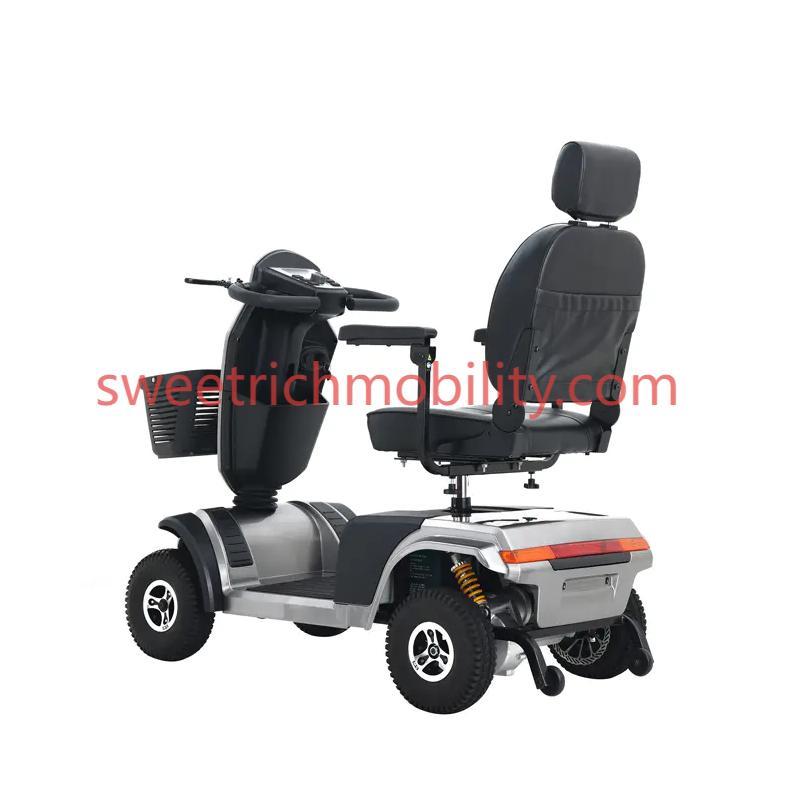
The controller is often called the “brain” of an electric mobility scooter, and its role extends far beyond simple acceleration or braking. It determines how smoothly the scooter responds, how efficiently energy is used, and how safely the electrical system operates under different riding conditions. As mobility scooters evolve to offer more comfort and independence to users, especially within the expanding Wholesale Travel Scooter category, the controller has become a critical component shaping both performance and long-term reliability.
Precision Control for Smooth Acceleration
A mobility scooter must provide predictable and steady movement, especially for users who rely on it in crowded areas, narrow indoor spaces, or uneven outdoor environments. Sudden surges or jerky movement can create discomfort or even safety risks.
Modern controllers are designed to process throttle input with high sensitivity. Instead of responding instantly and abruptly, they gradually build motor power, ensuring smooth acceleration. This smoothness becomes essential when maneuvering around corners, approaching ramps, or navigating small obstacles. The result is a more intuitive riding experience that aligns with natural movement patterns.
Adaptive Power Delivery Based on Terrain
Not all travel surfaces are the same, and the controller must adjust power output according to changing conditions. When the scooter encounters sloped paths, grassy areas, or textured ground, the motor demands increase. Without adaptive control, the scooter could either stall or draw excessive current.
An advanced controller continuously measures load, wheel resistance, and rider input, adjusting power delivery in real time. This ensures that the scooter maintains speed while preventing unnecessary strain on the motor or battery. Adaptive control helps users travel confidently through parks, driveways, and uneven pavements without worrying about sudden performance drops.
Energy Efficiency for Extended Range
The controller has a significant impact on how long a scooter can operate on a single charge. Efficient power distribution ensures that the motor receives only the energy necessary to maintain movement while reducing unnecessary consumption.
By regulating acceleration curves, limiting excessive current draw, and optimizing motor torque, the controller improves overall energy efficiency. This optimization becomes especially valuable for users who depend on extended daily travel. A well-calibrated controller can noticeably increase travel distance without requiring a larger battery, giving the scooter greater practicality.
Safety Protections Built Into the System
Just as the controller manages performance, it also plays a major role in preventing electrical issues. Overheating, overload, short circuits, or abnormal current spikes can compromise both rider safety and scooter durability.
Many controllers integrate safety algorithms that constantly evaluate electrical conditions. If the motor becomes too warm or current levels rise beyond safe limits, the system may reduce output or temporarily restrict acceleration. These automated responses protect internal components, extend lifespan, and prevent hazardous events. Even when a user is unaware of changes in terrain or load, the controller quietly maintains safe operating conditions.
Improved Braking Consistency
Braking performance greatly influences rider confidence. Whether slowing down in busy environments or stopping on a decline, the braking system must be responsive and stable. The controller governs regenerative braking in many scooters, converting kinetic energy back into electrical energy while reducing speed.
Controlled braking prevents abrupt halts and minimizes skidding. It also contributes modestly to extending battery life by capturing some of the energy that would otherwise be lost. Combined with mechanical brakes, regenerative braking offers smoother and more predictable stopping power.
Temperature Regulation for Reliable Use
Temperature affects both motor performance and electronic component stability. Extended travel in warm weather, repeated hill climbs, or high-speed operation can increase internal heat.
To maintain reliability, the controller monitors temperature trends and reacts accordingly. It may lower output when conditions become extreme, allowing components to cool. This prevents overheating, preserves motor integrity, and ensures consistent performance during long rides. Temperature regulation becomes especially important for users who travel outdoors for longer periods or in varying climates.
Enhanced User Comfort Through Responsive Handling
Responsiveness is one of the most noticeable qualities of a high-quality mobility scooter. When a rider turns the handlebars, adjusts speed, or navigates tight spaces, the scooter must respond precisely and predictably.
The controller translates user input into coordinated motor behavior that matches intended direction and speed. This responsiveness gives the scooter a natural, stable feel, allowing users to navigate through shops, pavements, or home environments with confidence.
Supporting Long-Term Durability
Good controller design ultimately reduces mechanical and electrical stress. By regulating current, smoothing acceleration, and maintaining safe temperature levels, it minimizes excessive wear on the motor and battery. Over time, this extends the overall lifespan of the scooter and ensures consistent performance even after repeated daily use.
For users who rely on mobility scooters as part of their daily routine, this reliability translates directly into greater independence and peace of mind.For more information, please visit : www.sweetrichmobility.com/product/heavy-duty-scooters/s70-large-size-powerfully-1000w-4-wheel-electric-mobility-scooter-for-old-people-travel.html .

 Chinese